


It always feels different when your KiwiSaver balance drops.
You log in to check it, maybe because it’s been a while or maybe because the news has been talking about markets falling. Then you see it. Your balance is down. Maybe not enough to make you panic, but enough to make you stop and think.
That’s usually when the question shows up: “Should I be doing something about this?”
And for many people, that quickly turns into:
- Should I move to something safer?
- What if it keeps dropping?
- Am I meant to be doing something here?
It’s a completely normal reaction. But it’s also where a lot of long-term financial plans quietly get knocked off track.
The Short Answer: Should You Switch During a Downturn?
In many cases, switching your KiwiSaver fund during a market downturn can lock in losses rather than avoid them.
It often means:
- Selling investments after they’ve already fallen
- Moving into lower-risk assets
- Missing the recovery when markets bounce back
For most people with more than five years before they need their KiwiSaver, that trade-off may not work in their favour.
What Actually Happens When Markets Fall (and Recover)
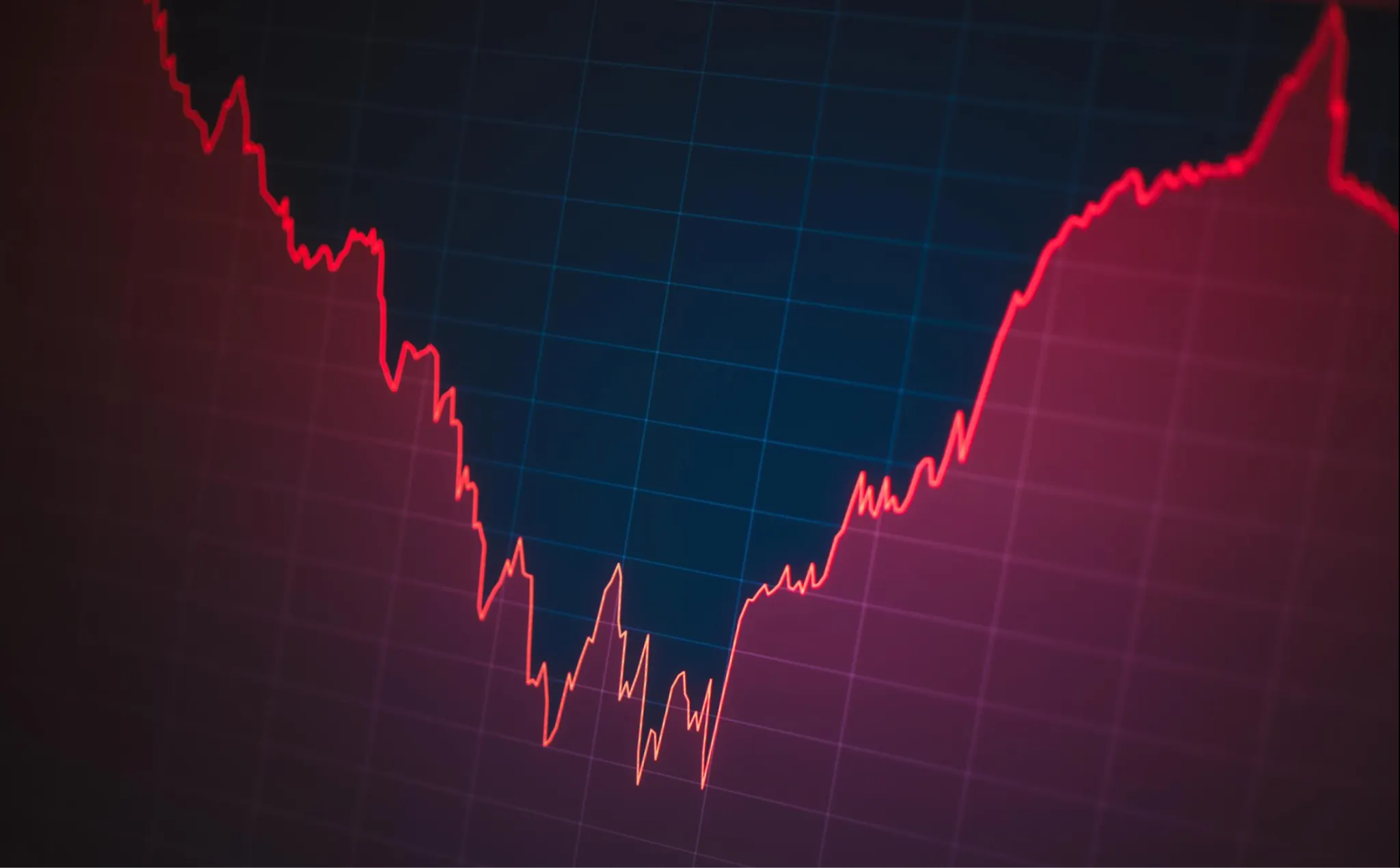
Markets don’t move in straight lines. They fall, recover, and over time tend to grow.
If you’re in a growth KiwiSaver fund, your balance will move with those cycles. A drop only becomes a permanent loss if you act on it.
For example, someone with $100,000 in a growth fund might see:
- A 15% drop → balance falls to $85,000
- A recovery of 20% → balance increases to around $102,000
That recovery only happens because they stayed invested through both parts of the cycle.
Compare that with someone who switches after the drop:
- They move to a conservative fund at $85,000
- The lower value is effectively locked in
- Their money is no longer positioned to benefit from the rebound
The intention is to reduce risk, but the outcome is often slower recovery.
Why Market Drops Can Actually Work in Your Favour
There’s another side to downturns that doesn’t always get talked about.
When you’re in a growth KiwiSaver fund, you’re typically invested in assets like shares. When markets fall, those assets become cheaper.
A simple way to think about it is like shopping when things are on sale.
- The underlying investment hasn’t necessarily changed
- But the price you’re paying for it has
- For some people, this can be a time to consider additional contributions, as you’re effectively buying investments at lower prices.
If you’re continuing to contribute during a downturn, your money may be buying more of those investments than it would have when prices were higher.
A Practical Example
Let’s say you’re contributing regularly to KiwiSaver.
- When markets are high, your contribution buys fewer units
- When markets are lower, the same contribution buys more units
Over time, if markets recover:
- Those additional units can contribute to stronger growth
- Your long-term balance may benefit from those lower entry prices
This doesn’t remove short-term volatility, but it does show how downturns can play a role in building value.
What Happens If You Step Out Instead
If you switch to a lower-risk fund during a downturn, that dynamic changes.
Instead of continuing to invest while prices are lower, you step away from the market.
That can mean:
- Fewer investments purchased at lower prices
- Less exposure when markets recover
- A slower path back to previous balances
So while switching can feel like reducing risk, it can also mean missing the period where long-term gains are often made.
Why This Matters If You Have Time on Your Side
Time is one of the biggest factors here.
If you have more than five years before needing your KiwiSaver:
- Markets generally have time to recover
- Short-term drops tend to smooth out over time
- Growth assets have more opportunity to perform
That doesn’t mean downturns are comfortable. But it does change how important they are in the bigger picture.
What Growth KiwiSaver Funds Have Delivered Over Time
It can help to zoom out and look at how growth-focused KiwiSaver funds have performed over longer periods.
For example, some growth-oriented funds from major New Zealand providers have reported returns such as:
- Around 8% to 9.5% per year over 10-year periods (depending on provider)
- Similar ranges when looking at returns since inception (some of which started in 2007 when KiwiSaver started)
These results have been achieved despite periods of market volatility, including events like the Global Financial Crisis and more recent downturns.
It’s important to note that returns are not consistent year to year.
- Some periods are negative
- Others are strongly positive
But over time, the broader trend has been that markets recover and continue to grow.
Find out how your provider stacks up below with one of our advisers for no cost ⬇️

The Pattern That Catches People Out
There’s a pattern that shows up repeatedly:
- Markets fall
- Balances drop
- People switch to conservative funds
- Markets recover
- They switch back once the market improves
- The rebound is missed
This isn’t about making poor decisions. It’s a very human response to uncertainty.
What makes this pattern more challenging is how markets actually recover.
Some of the strongest gains often happen in short bursts, and often when confidence is still low. There’s a well-observed pattern in investing that a meaningful portion of long-term returns can come from a relatively small number of strong market days.
Missing even a handful of those best-performing days over long periods can noticeably reduce overall returns. In some cases, missing more of them can have a significant impact on the end result.
The difficulty is that those strong recovery days often occur during periods of volatility, when investors are most likely to have stepped out.
Over time, repeating this pattern can quietly reduce long-term outcomes, even if each individual decision feels reasonable at the time.
When It Might Actually Make Sense to Change
There are still situations where changing your KiwiSaver fund is worth considering.
For example:
- You’re getting closer to using your KiwiSaver
- Your financial situation has changed
- Your tolerance for risk is genuinely different
The key difference is intention.
A planned decision based on your situation is very different from reacting to market movements.
A Better Question to Ask
Instead of asking:
“Should I switch because the market dropped?”
A more useful question is:
“Was this the right fund for me before the market dropped?”
If the answer is yes, the downturn alone may not be a reason to change.
If the answer is no, it’s worth reviewing,ideally in a measured way with advice, rather than reacting to feelings in the moment.
Conclusion
Market downturns can feel uncomfortable.
But switching to a lower-risk fund after a drop can mean:
- Locking in losses
- Stepping away from the recovery
- Slowing long-term progress
For people with time on their side, staying aligned with a long-term plan can often lead to more stable outcomes than reacting to short-term movements.
If you’re unsure whether your KiwiSaver is set up in a way that fits your situation, it can be worth reviewing it in the context of your broader financial plan.
If you’d like personalised guidance, a conversation with an adviser can help you understand your options and make decisions with more confidence.
Disclaimer
This article is general information only and is not financial advice. KiwiSaver and investment choices depend on your personal circumstances, goals, timeframe, and risk tolerance. Returns are not guaranteed and values can go up or down. Before making changes, read your provider’s disclosure information (including fees and fund mix) and consider getting advice from a licensed financial adviser.
Related Blogs


Let’s Make it Happen
15 minutes is all it takes. We’ll give you clear, fees-free advice so you can get your ducks in a row
